Lead-Safe Painting for Pre-1978 Homes in the Portland Metro
What lead-safe painting (pre-1978) involves
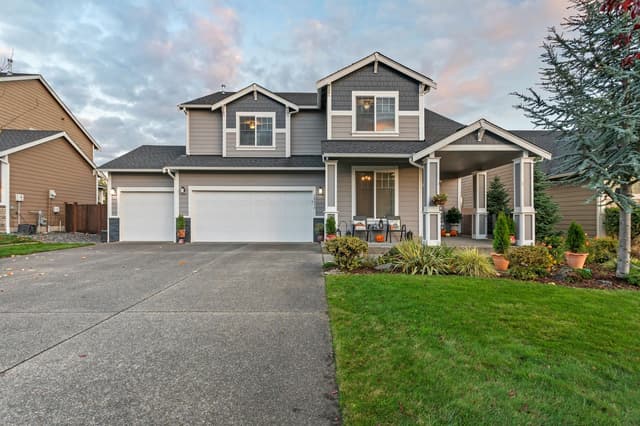
A large share of Portland-metro homes were built before 1978, especially in inner Portland, Milwaukie, Gresham, Oregon City, and older parts of Vancouver. Most of them have lead-based paint somewhere, often under several newer coats. It becomes a hazard when scraping, sanding, or demolition turns it into chips and dust.
Lead-safe work practices, set by the federal Renovation, Repair, and Painting (RRP) rule, control that dust. Oregon and Washington run their own versions of the program, so the license to ask about depends on which side of the river you live on.
Common projects
- Lead-safe exterior repaint
- Window and door trim repair and repaint
- Stabilizing peeling exterior paint
- Lead-safe interior work in older bungalows and Victorians
- Remodel-related paint disturbance
How a good lead-safe painting (pre-1978) job is done
- 1
Set up containment
Lay plastic sheeting on the ground well beyond the work area, cover plants and walkways, and close nearby windows. Indoors, seal the work area with plastic.
- 2
Use lead-safe methods
Mist surfaces before scraping, use HEPA-attached sanders, and never dry-sand in the open, burn, or use high-heat guns.
- 3
Clean daily
HEPA-vacuum the containment and bag debris at the end of each day.
- 4
Prime and paint
Prime stabilized surfaces and apply finish coats as on any other job.
- 5
Verify cleanup
The certified renovator checks surfaces with a cleaning-verification wipe test and recleans until they pass.
What lead-safe painting (pre-1978) costs
Lead-safe practices add setup, slower scraping, and cleanup time to a normal job.
| Project | Typical range |
|---|---|
| Added cost over a standard exterior repaint | Typically 15 to 30 percent |
| Typical added cost on a Portland-area exterior | $800 to $2,500 |
A quote far below others on a pre-1978 home usually means the containment steps are being skipped.
What moves the price
Containment and cleanup
Plastic sheeting, HEPA vacuums, and cleaning verification are part of every lead-safe bid.
Amount of failing paint
Peeling lead paint must be stabilized before recoating. More failure means more careful scraping.
Hand methods
Restricted methods such as open-flame burning and dry power-sanding are not allowed, so prep is slower.
Disposal
Chips and debris must be bagged, sealed, and disposed of properly.
Every painting price range on the site is in the Portland painting cost guide, and the cost calculator turns them into a range for your house. The long-form walkthrough is how much it costs to paint a house in Portland.
Paint problems lead-safe painting (pre-1978) fixes
Start from what you are seeing. Each card explains the usual cause before it points at a fix.
- Chipping Paint on a Pre-1978 HomeOld paint that may contain lead, which changes who can scrape it and how.What it means →
- Peeling or Flaking PaintPaint lifting off siding or trim, usually where water gets behind it.What it means →
- Cracking or AlligatoringHairline cracks or a scaly pattern in old, built-up paint.What it means →
Which license to ask for
In Oregon, a contractor doing renovation or painting work that disturbs paint on a pre-1978 home needs a CCB contractor license plus a Lead-Based Paint Renovation (LBPR) license, and the crew must include a certified renovator. You can look up both on the Oregon Construction Contractors Board website.
In Washington, including Vancouver, contractors register with Labor & Industries, and lead-safe renovation firms are certified through the state’s lead program. Ask the painter for their firm certification and the name of the certified renovator on the job.
Lead-safe painting vs. lead abatement
Lead-safe painting is renovation work done under the RRP rule. The painter prepares and repaints the surfaces while containing chips and dust, and the lead paint that is still intact stays on the house under the new coats. This is the work a lead-safe painter does, and in Oregon it requires a CCB license plus a Lead-Based Paint Renovation license.
Lead abatement is different. Its purpose is to permanently remove or seal off lead hazards, for example by stripping or replacing painted components, enclosing surfaces, or removing contaminated soil, often after an inspection or risk assessment. In Oregon, abatement workers, supervisors, inspectors, and risk assessors, and the firms that employ them, are certified by the Oregon Health Authority rather than the CCB. If you need abatement, for example after a child’s elevated blood-lead test or because a risk assessor recommended it, hire a certified abatement firm. A lead-safe painter is not the same thing.
Portland homeowners and renters with qualifying incomes may be eligible for the City of Portland’s lead hazard control grant, which pays for a lead evaluation and hazard reduction by a state-certified contractor in pre-1978 homes.
Do you need to test first?
You can assume a pre-1978 home has lead paint and hire a lead-safe painter, which is the most common approach. If you want to know for sure, a certified lead inspector or risk assessor can test the surfaces being worked on. Store-bought test kits are useful as a rough screen, but a negative result is not proof.
Selling an older house? Lender rules and lead disclosure are covered in painting a house before selling in Portland.
Questions to ask before you hire
- Do you hold an Oregon CCB license and a Lead-Based Paint Renovation license (or Washington lead-safe firm certification)?
- Who is the certified renovator on this job?
- How will you contain chips and dust outside and inside?
- How will you clean up and verify the cleanup?
- Will you give me the “Renovate Right” pamphlet before work starts?
- How will you dispose of paint waste?
Lead-Safe Painting (Pre-1978) FAQs
Does every pre-1978 paint job need a lead-safe painter?
If the work disturbs more than a small area of painted surface, yes. Federal rules set the thresholds at 6 square feet per room inside and 20 square feet outside, and window replacement is always covered.
Which license should an Oregon painter have for lead-safe work?
An Oregon CCB contractor license plus a Lead-Based Paint Renovation (LBPR) license, with a certified renovator on the crew.
Is lead paint dangerous if it has been painted over?
Lead paint sealed under sound newer coats is a low hazard while it stays intact. It becomes dangerous when it peels, chips, or chalks, when it wears on friction surfaces such as windows and doors, or when scraping, sanding, or demolition turns it into dust. That is why prep on a pre-1978 house has to be done lead-safe.
How do I know if my home has lead paint?
Assume it does if the house was built before 1978. For certainty, hire a certified lead inspector. Hardware-store test kits are only a rough screen.
How much more does lead-safe painting cost?
Typically 15 to 30 percent more than a standard job, often $800 to $2,500 on a Portland-area exterior.
Can my family stay home during lead-safe work?
For exterior work, usually yes, with windows closed and kids and pets kept away from the work area. For interior work, stay out of the contained rooms until cleanup is verified.
Related guides
- Painting a Pre-1978 Home in Portland: Lead Paint, Prep, and Safety
What lead-safe certification means and why it matters for older Portland houses.
- How to Check a Portland Painter's License: CCB, Lead-Safe, and WA L&I
A two-minute check before you sign: what the CCB record shows, the lead-safe license for older homes, and how Vancouver differs.
- How to Prep Your Home for Exterior Painting
The prep steps that decide how long your paint job actually lasts.
- How to Choose a House Painter in Portland
What to verify, what to ask, and red flags worth walking away from.
Related services and tools
- ServiceExterior House PaintingFull-house repaints, siding, trim, doors, and stucco recoating, with prep spelled out in every quote.
- GuidePainting Your House Before You Sell in PortlandWhich paint problems FHA appraisers, inspectors and buyers flag, the lead rules for pre-1978 homes, and what to repair, touch up or leave before you list.
- GuideHow Long Does Exterior Paint Last in Portland?What USDA research says about paint life on each kind of siding, why sunny walls wear out first, and how to tell when your house is due.
- Free toolPainting bid checkerCheck a written estimate for the items Oregon and Washington require, and the scope it should name.
Lead-Safe Painting (Pre-1978) by city
Other services
Ready for a Real Number?
Describe your project. Sending a request is free and carries no obligation. Before you hire anyone, check the license: Oregon CCB, or Washington L&I across the river.