Painting Your House Before You Sell in Portland
Which paint problems FHA appraisers, inspectors and buyers flag, the lead rules for pre-1978 homes, and what to repair, touch up or leave before you list.
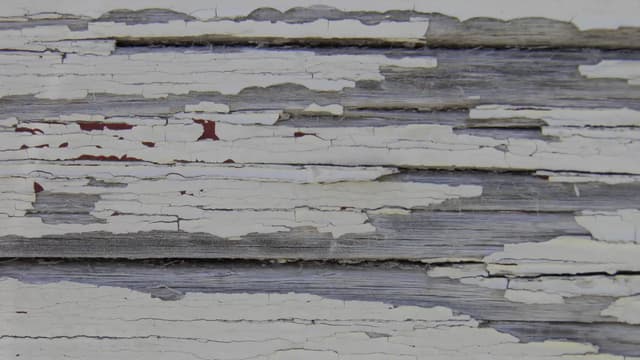
Before you sell, repair the paint a buyer's lender or inspector will flag, and treat a full repaint as optional. Peeling, chipping and cracking paint comes first. On a house built before 1978, an FHA appraiser has to note every defective painted surface, inside and out, and make repair a condition of the loan.
That pre-1978 rule reaches most of Portland. In the Census Bureau's 2020 to 2024 American Community Survey (via Census Reporter), the median Portland home was built in 1966 and 63.4 percent were built before 1980. This guide covers what the lender rules actually say, the lead rules that apply when you sell an older house, and which paint work is worth doing before the listing photos.
Is it worth painting a house before selling?
Agents tend to think so. In the National Association of Realtors' 2025 Remodeling Impact Report, the top projects Realtors recommend sellers complete before listing include painting the entire home (50 percent) and painting a single interior room (41 percent), ahead of new roofing (37 percent). The same release gives no figure for how much of the cost of painting comes back at sale, and no source we found measures that for Portland.
What can be known in advance is which paint problems stop or delay a sale. Those are set by the buyer's loan program and by federal lead rules, not by taste, and they are the place to spend first. Cosmetic repainting is a judgment call you can make with your agent once the must-fix items are done.
What are the FHA guidelines for peeling paint?
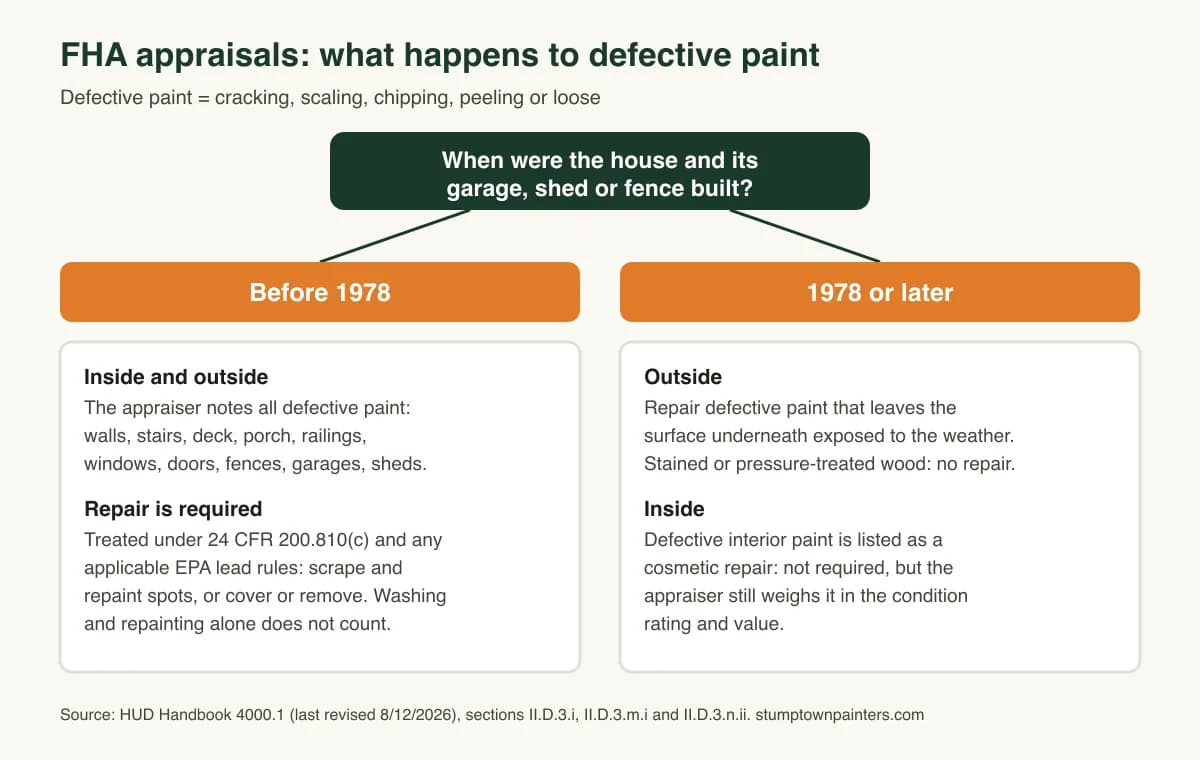
FHA's rules are in HUD Handbook 4000.1, the single-family policy handbook on hud.gov (the version read for this guide was last revised August 12, 2026). It describes defective paint as cracking, scaling, chipping, peeling or loose, the same words 24 CFR 200.805 uses to define a defective paint surface. What the appraiser must do with it depends on when the house was built.
| Built | Exterior paint | Interior paint | Handbook section |
|---|---|---|---|
| Before 1978 | All defective paint noted and repaired, including the deck, porch, railings, fences, detached garages, sheds and other outbuildings | All defective paint noted and repaired, including stairs, windows and doors | II.D.3.m.i, Lead-Based Paint |
| 1978 or later | Repair defective paint that exposes the surface underneath to the elements; stained or pressure-treated wood needs no repair | Listed as a cosmetic repair: not required, but weighed in the condition rating and value | II.D.3.i, Defective Paint; II.D.3.n.ii |
For pre-1978 houses the handbook tells the appraiser to observe “all interior and exterior surfaces” and require repair in line with 24 CFR 200.810(c) and any applicable EPA rules. Separately, the lender must confirm the property is free of lead paint hazards (II.A.3). The age test applies if “the dwelling or related improvements” were built before 1978, so an old garage or shed counts on its own.
Does peeling paint affect an appraisal?
On an FHA loan it can hold up the sale. When a house does not meet FHA's property standards, the handbook (II.D.3.n) tells the appraiser to report the repairs needed, give an estimated cost to cure, add photographs and make the appraisal conditional on the repairs. The lender, not the appraiser, decides which repairs are finally required.
Even where a repair is not required, it still counts. Defective interior paint in a house built after 1978 is on the handbook's list of cosmetic items, which the appraiser “must report and consider” when rating the home's condition and value. Conventional, VA and other loans follow their own appraisal standards, which this guide does not cover; ask the buyer's lender which apply.
How does the paint repair have to be done on a pre-1978 house?
FHA's treatment rule is 24 CFR 200.810(c). Defective paint has to be covered or removed. Small defective spots can be scraped and repainted, which the regulation calls adequate treatment. Washing and repainting without thorough removal or covering does not count, and machine sanding and open-flame torches are not permitted. Treatment is not required if a lead-based paint inspector certified under EPA rules finds the surface is not lead-based paint.
When you pay someone to do the work, the EPA renovation rule adds its own limits. Under 40 CFR 745.85, open-flame burning is prohibited, power sanders and grinders need a shroud and a HEPA vacuum attachment, and heat guns must stay below 1,100°F. Paid work that disturbs more than 6 sq ft of painted surface per room inside, or 20 sq ft outside, is a renovation rather than minor repair and maintenance.
In Oregon, the Construction Contractors Board says contractors need training and its Lead-Based Paint Renovation (LBPR) license before they can even bid on that work, on top of a CCB license. The CCB's page exempts property owners who do their own work from the LBPR license, but FHA's treatment rule still applies to the result. In Vancouver and Clark County, firms need RRP certification from the Washington Department of Commerce. Our lead-safe painting page explains what that work looks like on site.
Can the paint repair wait until after closing?
Sometimes. Handbook section II.A.6.a.viii(B), “Repair Completion Escrow Requirements”, lets the lender set up a repair escrow for repairs that cannot be completed before closing, as long as the house is habitable and safe for occupancy when the loan closes. The escrow has to be large enough to cover the cost of the repairs, it cannot include the borrower's own labor, and the lender certifies the work once it is done.
That section sets no percentage or deadline, so the amount held back and the time allowed are the lender's terms. Ask early, because the lender needs a cost figure to size the escrow and a written painting estimate gives one. Weather matters here: exterior paint needs a dry spell and temperatures the product allows, which the Portland exterior painting calendar sets out month by month. Interior repairs can be done in any season.
Do you have to disclose lead paint when selling in Oregon?
Yes, if you know of it and the house was built before 1978. The federal disclosure rule, 40 CFR 745.107, requires the seller, before the buyer is bound by the contract, to:
- give the buyer the EPA pamphlet Protect Your Family From Lead in Your Home or an approved equivalent;
- disclose any known lead-based paint or lead hazards, with what is known about where they are and their condition;
- hand over any records or reports about lead in the house that the seller has; and
- tell each agent working for the seller the same things.
Under 40 CFR 745.110, the buyer also gets a 10-day period to have the house inspected or risk-assessed for lead, unless both sides agree in writing to a different period or the buyer waives it in writing. Among sales, only foreclosure sales are exempt (40 CFR 745.101). HUD's handbook checks the same steps on FHA purchases.
Oregon's own seller's property disclosure statement, the form in ORS 105.464 (2025 edition), asks in item 9F whether any part of the property has been tested or treated for lead-based paint, among other hazards. It is a starred item, so a “yes” needs a copy or an explanation attached. That has a practical consequence for pre-listing work: if you test for lead or have lead-safe repairs done before you list, keep the reports and receipts, because they may be records you have to give the buyer.
Which paint fixes matter most before you list?
Sort the house into what a lender can require, what an inspector or buyer will notice, and what is taste. The two FHA columns come from the HUD handbook; the last column is a suggested order of work.
| Paint problem | FHA status (built before 1978) | FHA status (1978 or later) | Before listing |
|---|---|---|---|
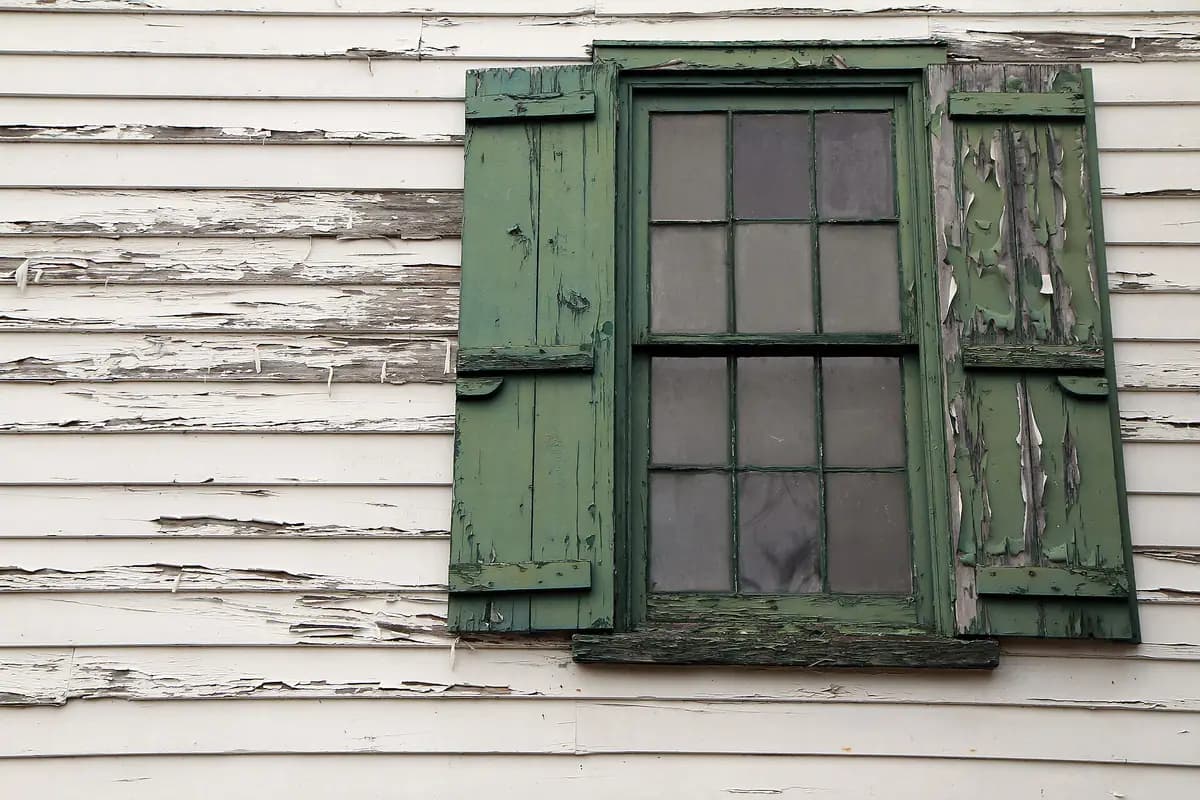
| Peeling siding, trim, sills or window sashes | Repair required, lead-safe | Repair required where the surface underneath is exposed | Fix first; it is also what buyers see from the street |
| Peeling porch, deck rails, fence, garage or shed | Repair required, lead-safe | Required on painted surfaces left exposed; not on stained or pressure-treated wood | Walk the whole lot, not just the house |
| Chipping or peeling paint indoors (doors, stairs, sills, walls) | Repair required, lead-safe | Cosmetic, not required | Repair on older homes; touch up on newer ones |
| Scuffs, marks, faded or patched walls | Not defective paint unless it is cracking, chipping or peeling | Cosmetic | Optional; rooms buyers see first |
| Bold or dated colors | No rule | No rule | Optional; ask your agent |

A pre-listing paint checklist for Portland sellers
- Confirm the year built of the house and of any garage, shed or fence. Our pre-1978 painting guide covers how to look it up.
- Walk it like an appraiser. Look at windows and sills, doors and frames, stairs and railings, the porch and deck, fascia and trim, then the outbuildings and fence.
- Decide on testing. A certified inspector's finding that a surface is not lead-based paint removes FHA's treatment requirement for it, but the report becomes a record you hand to the buyer.
- Get written estimates that list each flagged surface, the method (scrape and repaint, cover or remove), lead-safe setup and cleanup, and a start date that fits your listing or closing date. The estimate checker shows what an Oregon or Washington painting contract should contain.
- Check the license before you sign: CCB plus LBPR in Oregon for a pre-1978 house, or Washington L&I registration and Commerce RRP certification in Vancouver. The license lookup guide shows both searches.
- Keep the paperwork: invoices, test results and any lead-safe work records go in the disclosure file and to the buyer's lender if an appraisal condition comes up.
- Leave drying time before photos and showings. See how long paint takes to dry and cure for when walls and trim can take furniture and cleaning again.
For exterior repairs, see exterior house painting in the Portland area; for prices, the Portland house painting cost guide and, for rooms inside, the room-by-room interior cost guide. If you are working to a listing or closing date, describe the job and the date on the project request form, and pick the timeline that matches.
Common questions
Is it worth it to paint a house before selling?
Repair peeling or chipping paint first, because on an FHA loan it can be a required repair. A full repaint is optional. In NAR's 2025 Remodeling Impact Report, painting the entire home was among the top projects Realtors recommend before listing, but no source we found measures what it returns at sale in Portland.
Do I have to fix peeling paint to sell my house?
No law requires you to repaint before selling, but the buyer's loan may. On an FHA loan for a house built before 1978, the appraiser must require repair of all defective paint inside and out; on newer houses, exterior paint that leaves the surface exposed must be repaired. Other loan types follow their own appraisal standards.
What are the FHA guidelines for peeling paint?
HUD Handbook 4000.1 treats cracking, scaling, chipping, peeling or loose paint as defective. For homes and outbuildings built before 1978, the appraiser notes all of it, inside and outside, and requires repair under 24 CFR 200.810(c) and EPA rules. For 1978 and later, only exterior paint that exposes the surface to the elements must be repaired.
Does peeling paint affect an appraisal?
On an FHA loan, a required paint repair makes the appraisal conditional: the appraiser reports the repair, estimates the cost to cure and adds photos, and the lender decides what must be fixed. Paint the handbook treats as cosmetic is not required but still counts in the condition rating and value.
Can I just paint over peeling lead paint before selling?
Not for an FHA buyer. 24 CFR 200.810(c) says washing and repainting without thorough removal or covering is not adequate treatment, though scraping and repainting small defective spots is. Machine sanding and open-flame torches are not allowed, and in Oregon paid work on a pre-1978 house needs a CCB Lead-Based Paint Renovation license.
Do I have to disclose lead paint when selling a house in Oregon?
If the house was built before 1978, federal rules require you to give the buyer the EPA lead pamphlet, disclose any known lead paint and records, and allow a 10-day inspection period unless waived. Oregon's seller's disclosure form also asks, in item 9F, whether the property has been tested or treated for lead-based paint.
How much does it cost to paint the exterior of a 2,000 sq ft house before selling?
This site's published range for a two-story home of 2,000 to 2,500 sq ft is $5,500 to $10,000. On a pre-1978 house the cost guide puts lead-safe setup for an exterior at $800 to $2,500. Repairing only the defective areas an appraiser flags may cost less than a full repaint, so ask for both prices.
Services this guide covers
- Exterior Painting
Full-house repaints, siding, trim, doors, and stucco recoating, with prep spelled out in every quote.
- Interior Painting
Walls, ceilings, trim, accent walls, and whole-home interior repaints, priced room by room.
- Lead-Safe Painting (Pre-1978)
Certified lead-safe exterior and interior painting for homes built before 1978.
Paint problems this guide explains
Keep reading
- GuidePainting Over Oil-Based Paint in Portland HomesHow to tell oil paint from latex, the two ways to make latex stick to it, and the lead rules that come first in a pre-1978 Portland house.
- GuidePainting a Pre-1978 Home in Portland: Lead Paint, Prep, and SafetyWhat lead-safe certification means and why it matters for older Portland houses.
- GuideHow to Check a Portland Painter's License: CCB, Lead-Safe, and WA L&IA two-minute check before you sign: what the CCB record shows, the lead-safe license for older homes, and how Vancouver differs.
- Free toolPainting cost calculatorA Portland-metro range for your house in under a minute.
Painting guides by city
More reading: all painting guides